
Why Coins Change Over Time: Design, Metal, and Manufacturing Shifts Explained
In 640 BC, the Lydians minted the world’s first standardized coins using electrum, a natural alloy of gold and silver. That innovation didn’t just make trade easier; it launched a global tradition that continues today.
Over the centuries, coins have changed in countless ways, from the metals used to mint them to the imagery stamped on their surfaces. These changes are more than cosmetic; they reflect shifts in technology, economics, and national identity.
As someone who has spent more than 15 years researching the history of coins, I’ve come to see currency as a window into the values and challenges of the societies that produced it.
Each redesign, metal swap, or minting breakthrough tells a story about the people behind the coin.
This guides breaks down the key reasons coins have changed over time, including political shifts, metal availability, minting method advances, and public response.
After reading this article, you’ll understand how coins have evolved from crude metal tokens into detailed works of art and engineering, each one a reflection of its time and an essential piece of the larger story of money, power, and culture.
The Origins of Coinage and Early Changes
Coins began not as tools of artistry but as practical solutions for trade. Before coinage, people relied on bartering or weighed metals to assign value.
The innovation of minting coins allowed for standardized units of exchange, establishing a powerful new economic and political tool.
Lydian Innovation and Electrum Coins
The first known coins appeared around 640 BC in Lydia, a region in modern-day Turkey. These early coins were made from electrum, a naturally occurring alloy of gold and silver.
They were issued under the rule of the Lydians or possibly for Greek mercenaries, and they featured simple stamped designs such as lions or geometric shapes.
King Croesus, who reigned Lydia in the mid-6th century BC, made a critical advancement in coinage history. He introduced coins made of pure gold and pure silver, known as Croeseids.
This shift from electrum to standardized precious metals marked a turning point in economic history. According to Herodotus, the Lydians were the first people to introduce retail trade using coins.
Greek and Persian Spread of Coinage
Greek city-states quickly adopted coinage and made significant contributions to its evolution. Early Greek coins, such as the horse-head silver hemiobols from Cyme, were used for retail transactions and featured symbols of local identity.
As Greek colonies expanded across the Mediterranean, so too did their coinage, with designs that often celebrated gods, heroes, and civic emblems.
After conquering Lydia in 546 BC, Cyrus the Great introduced coinage to the Persian Empire.
Initially, the Persians retained Lydian designs but later developed their own coins, such as the gold daric and silver siglos. These coins became widely recognized across the empire, establishing a model for centralized state currency.
Roman Adoption and Modification
The Romans were late adopters of coinage, initially relying on bullion and ingots. Their first coins, heavy cast bronzes known as aes grave, were introduced around 289 BC to facilitate trade with the Celts and Greek colonies.
By 269 BC, the Romans began producing silver coins near the temple of Juno Moneta, a name that gave rise to the word “mint.”
Roman coinage eventually expanded to include gold, silver, bronze, and orichalcum (a brass alloy). With the empire’s growth, Roman coins became a unifying force across territories, influencing European coin minting for centuries to come.
Changes in Metals: Cost, Scarcity, and Utility
The metals used for making coins have shifted over time based on availability, economic circumstances, and practical needs. These changes often reflect deeper societal pressures, from inflation to warfare.
From Gold and Silver to Copper and Nickel
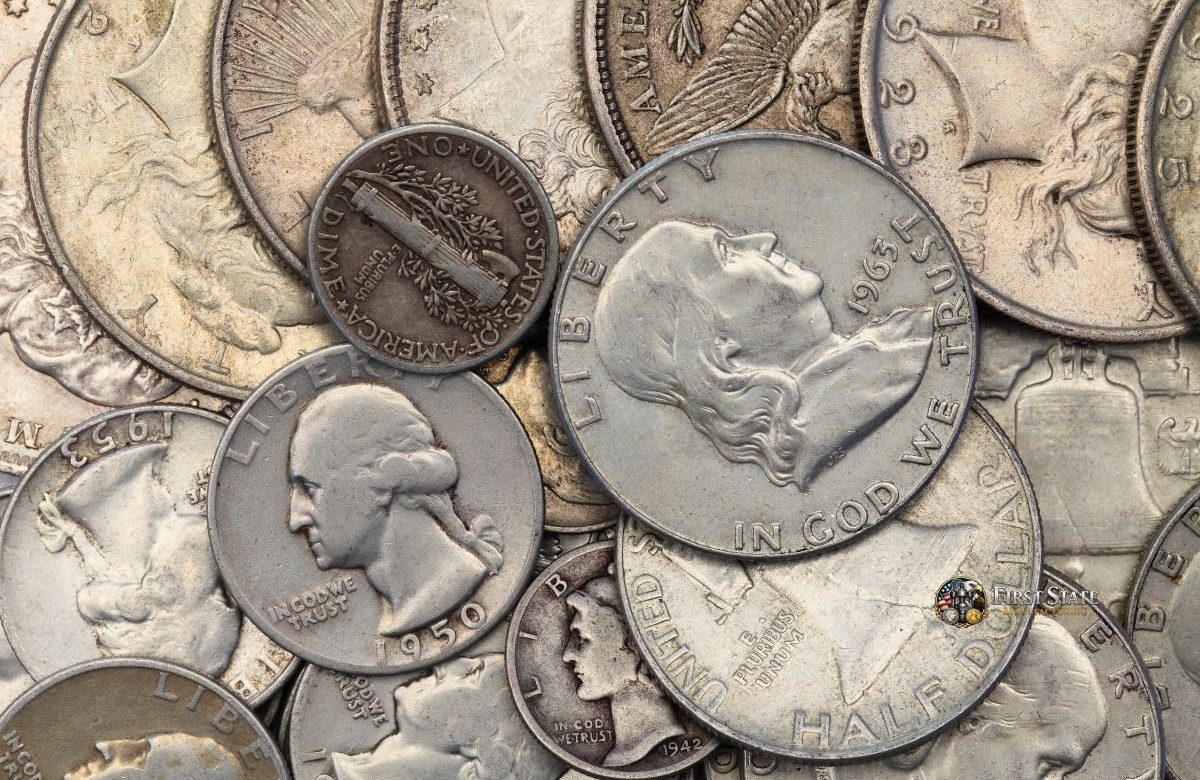
In earlier times, coins were typically made of gold and silver due to their intrinsic value. Over time, especially during periods of economic strain, these precious metals were replaced by more abundant base metals such as copper and nickel.
For example, the U.S. Indian Head cent, introduced in 1859, originally contained 88% copper and 12% nickel. By 1864, it was changed to a thinner, nickel-free bronze coin due to Civil War-driven metal shortages.
The Roman Empire also experienced similar transitions. Early Roman coins were made of high-quality silver, but over time, the content was reduced, and base metals were introduced to stretch resources during economic crises and military campaigns.
Economic Pressures and Metal Content Reduction
Coin debasement, or the reduction of precious metal content, became a common response to economic hardship. In medieval Europe, the silver content of coins declined dramatically.
By 1160, Venetian coins contained only 0.05 grams of silver, compared to 1.3 grams in England’s coins of the same era.
In the United States, the Coinage Act of 1857 eliminated foreign coins as legal tender and introduced smaller cents to address rising copper prices. Such changes were often met with public resistance, as people were reluctant to accept coins perceived as less valuable.
Metallurgical Advancements and Alloys
Advances in metallurgy allowed for the creation of durable and cost-effective alloys. Orichalcum, used in Roman coinage, combined copper and zinc to produce a corrosion-resistant and visually appealing material.
Modern coins frequently use combinations of metals such as copper, tin, and nickel to improve wear resistance and reduce production costs.
These innovations in metal composition have enabled minted coins that are both practical for circulation and resistant to everyday damage.
Coin Design: Symbols, Politics, and National Identity
Coin design is never arbitrary. The images and text on coins reflect the values, power structures, and cultural symbols of the societies that issue them.
Portraits, Propaganda, and National Symbols
One of the most significant shifts in coin design came when Julius Caesar placed his own portrait on Roman coins.
This was only the third time in Roman history that a living individual appeared on currency, and it marked the beginning of coins as tools of political propaganda.
Modern coins continue this tradition. National emblems, such as the bald eagle in the United States or the maple leaf in Canada, are common.
These images serve as symbols of sovereignty and pride, reinforcing national identity through everyday transactions.
U.S. Coin Design Evolution
The evolution of U.S. coin design reflects both artistic trends and legislative mandates. The Coinage Act of 1792 required all U.S. coinage to feature the word “LIBERTY,” the year of minting, and a representation of an eagle on gold and silver denominations.
Early designs such as the Draped Bust and Flowing Hair coins gave way to more standardized imagery, including the Barber Coins of 1892–1904, designed by Charles E. Barber.
These changes often aimed to unify the aesthetic across denominations and improve coin durability.
Cultural Imagery in Global Coinage
Around the world, coin design has drawn from local traditions and beliefs.
Ancient Greek coins often depicted gods such as Athena and animals such as owls, while Chinese coins featured square holes for stringing and inscriptions denoting value or imperial authority.
Islamic coins from the Umayyad Caliphate included elegant calligraphy instead of images, reflecting religious values that discouraged figurative representation.
Technological Shifts in Coin Manufacturing
The process of minting coins has evolved dramatically over time, moving from manual hammering to highly automated systems.
From Hammering to Presses
Early coins were produced using a hammering method, where a blank coin was placed between two dies and struck by hand. This process was labor-intensive and prone to inconsistencies.
Over time, the use of punches and incuse marks helped align designs more accurately. By the 18th century, screw presses were introduced in France and Germany, which greatly improved efficiency.
Modern Minting: Electric and Hydraulic Presses
Today, coins are minted using electric and hydraulic presses that can produce thousands of coins per hour with remarkable precision.
These machines ensure uniformity and reduce the likelihood of minting errors, which is critical for both economic trust and collector value.
Limitations That Shaped Design
Earlier minting techniques limited the complexity of coin designs. Intricate details were hard to replicate consistently by hand, which constrained artistic expression.
As technology improved, so did the ability to incorporate fine detail, security features, and multi-metal layering, allowing for both aesthetic and practical enhancements in coin minting.
Public Reaction to Coin Changes
Changes in coins are often met with strong public opinions. Whether due to nostalgia, perceived loss of value, or unfamiliarity, reactions can shape the success of new designs.
Controversial Redesigns and Public Backlash
In 1857, the U.S. transitioned to a smaller cent, replacing the large copper cent with the Flying Eagle cent. The change sparked public backlash, with many reluctant to accept the new, unfamiliar size.
Similarly, modern dollar coins like the Sacagawea and Presidential series have struggled with public acceptance, often ending up in collections rather than circulation.
Nostalgia and Collectibility
Older coins often become cherished collectibles. Their historical significance, aesthetic appeal, and rarity contribute to their desirability. Many people collect coins not just for their value but for the stories they tell about wars, economies, and cultural shifts.
Educating the Public
To ease transitions, mints and governments often undertake public education campaigns. Explaining the reasons for changes, such as cost savings or improved security, can help gain acceptance.
Clear communication reduces confusion and increases the likelihood that new coins will be embraced.
Expert Insight: Why Coin Evolution Matters
Over the years that I’ve spent researching and learning about coin history, I’ve come to see that coins are more than currency; they are historical documents.
Every change in design, metal, or manufacturing process reflects broader societal developments.
Coins as Historical Records
Coins are invaluable to historians and archaeologists. They help date archaeological layers, identify rulers, and understand trade networks. A single coin can reveal information about the language, religion, and political structure of a civilization.
Impact on Numismatics and Collecting
For coin collectors, changes in coin design and composition affect rarity and value. Discontinued coins and coins made during periods of transition, such as metal shortages or political upheaval, often become prized artifacts.
Understanding these shifts is key to appreciating their numismatic significance.
Lessons From the Past
Studying the history of coins provides insight into how societies adapt to change. From the introduction of electrum coins in Lydia to the high-speed presses of modern mints, the evolution of coinage mirrors the evolution of civilization itself.
What Coins Reveal About the World That Made Them
Coins change over time due to a complex mix of practical needs, political messaging, and technological progress. They are a unique blend of art, economics, and history—small enough to fit in your pocket, yet rich in meaning.
To recap:
- Metals used for making coins shift with resource availability and economic pressures.
- Coin design reflects political ideologies, national identities, and cultural values.
- Advances in coin manufacturing open new possibilities for design and security.
- Public reactions to new coins range from resistance to nostalgia.
- Each coin is a miniature record of the time and place in which it was made.